
Key Takeaways
- PR budgets could double by 2027 as brands adapt to AI-powered search.
- AI systems increasingly rely on authoritative third-party sources when generating answers and recommendations.
- Digital PR can help brands build visibility and credibility beyond their own websites.
- Consistent earned media coverage can strengthen a brand’s authority over time.
- Brands should connect digital PR with SEO and AI visibility rather than treating them as separate strategies.
For years, public relations and SEO have operated in neighboring but often separate parts of the marketing organization. AI search is beginning to change that relationship.
As AI systems become a larger part of how people discover companies, products, and services, the sources those systems rely on are becoming increasingly important. Third-party coverage from trusted publications can provide information that helps establish a brand’s credibility and authority.
That shift is changing how organizations think about digital PR.
New industry projections suggest PR budgets could double by 2027 as brands respond to the growing importance of AI-powered search. The underlying reason is straightforward: brands need to be visible in the places AI systems use to understand and evaluate them.
For marketers, that makes earned media more than a traditional awareness channel. Consistent third-party coverage can contribute to a brand’s broader search presence while strengthening the information available about it across the web.
Why AI Search Is Increasing the Value of Digital PR
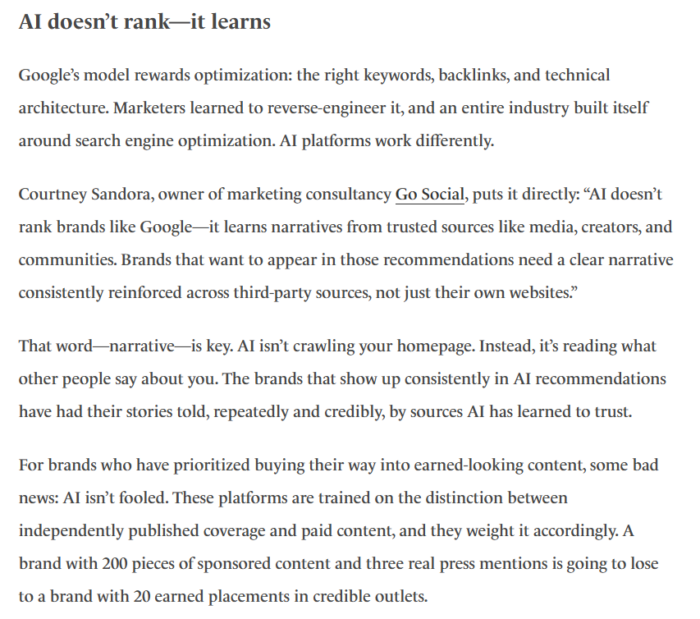
AI search changes how people encounter information. Instead of receiving a list of links and deciding which ones to visit, users can receive a synthesized answer based on information gathered from multiple sources.
That creates a new role for third-party coverage.
Source
AI Systems Rely on Trusted Sources
AI systems need information they can retrieve and use when generating answers.
A company’s own website is an important source, but it isn’t the only one. News publications, industry websites, reviews, research organizations, and other third-party sources can provide additional context about a brand. Academic databases are a great example.

This is where earned media becomes valuable.
A company that is consistently mentioned by credible publications creates a broader information footprint than one that relies primarily on its own website. Those mentions can help reinforce what the company does, who its experts are, and where it has authority.
That doesn’t guarantee an AI system will cite any particular article. It does create more opportunities for a brand’s information to exist within the sources AI systems may encounter.
Third-Party Coverage Can Build Brand Authority
Authority is difficult to establish through a single piece of coverage.
One major publication can create awareness, but its effect can fade. A sustained presence across relevant publications creates a different type of signal.
Repeated coverage can reinforce the same core facts about a business across multiple sources. Over time, this can contribute to stronger brand recognition and a clearer understanding of the company’s expertise.
For AI visibility, that consistency matters because AI systems are constantly processing information from across the web.
Why One Media Win Isn’t Enough
The temptation in PR has often been to measure success by the biggest placement a campaign can generate. A marquee publication can certainly be valuable, but it shouldn’t be the only objective.
Credibility Compounds Over Time
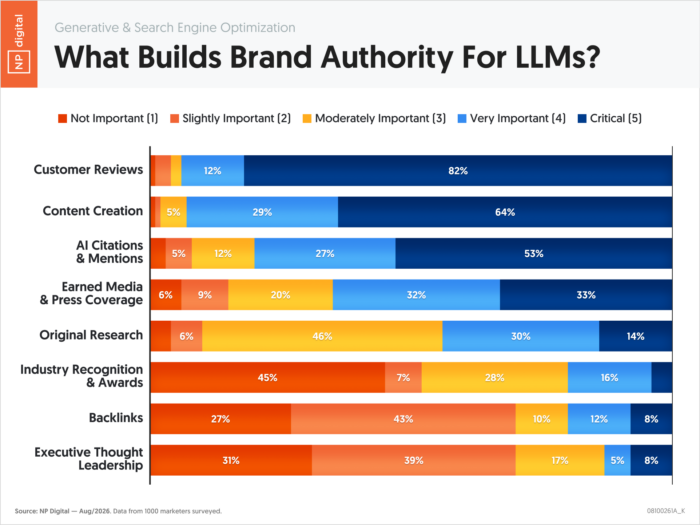
A single article can introduce a company to a new audience. An ongoing stream of relevant coverage can keep reinforcing the brand.
Source
This is particularly important for companies competing in categories where many businesses make similar claims.
Regular coverage gives journalists, customers, search engines, and AI systems more opportunities to encounter consistent information about the brand.
That makes digital PR a long-term investment rather than a series of isolated campaigns.
Consistency Creates a Stronger Information Footprint
Imagine two companies competing for visibility in the same industry.
One receives a major feature once a year. The other is regularly covered by relevant publications for research, commentary, product developments, and industry expertise.
The second company has a much larger body of third-party information surrounding it.
That doesn’t mean quantity automatically creates authority. Coverage needs to be relevant and credible. But a consistent stream of meaningful mentions gives a brand more opportunities to establish expertise and reinforce its identity.
What This Means for SEO and AI Visibility
The growing importance of digital PR creates an opportunity for SEO teams and PR teams to work more closely together.
Digital PR and SEO Should Work Together
SEO has traditionally focused heavily on a brand’s own website. Digital PR extends that strategy into the broader web.
A strong PR campaign can generate coverage that supports brand awareness, creates referral opportunities, and contributes to the overall authority surrounding a company.
At the same time, SEO research can help identify topics, publications, and audiences that are strategically important to the brand.
Combining these approaches creates a more connected approach to organic visibility.
AI Visibility Depends on More Than Owned Content
Brands have significant control over their own websites. They have much less control over what independent publications say about them.
That makes third-party coverage particularly valuable.
When a brand is consistently described by credible external sources, those sources can provide context beyond what the company says about itself. This can be especially useful when AI systems are trying to determine which businesses, products, or experts are relevant to a user’s question.
The goal isn’t to manufacture mentions. It is to build a legitimate reputation that is reflected across the web.
How Brands Can Build an Always-On Digital PR Strategy
If digital PR is becoming more important to AI visibility, brands need a strategy that goes beyond occasional campaigns.
Create a Consistent Flow of Newsworthy Ideas
An always-on program starts with having something worth talking about.
Brands can develop stories around original research, customer trends, proprietary data, expert commentary, product developments, and broader industry changes.
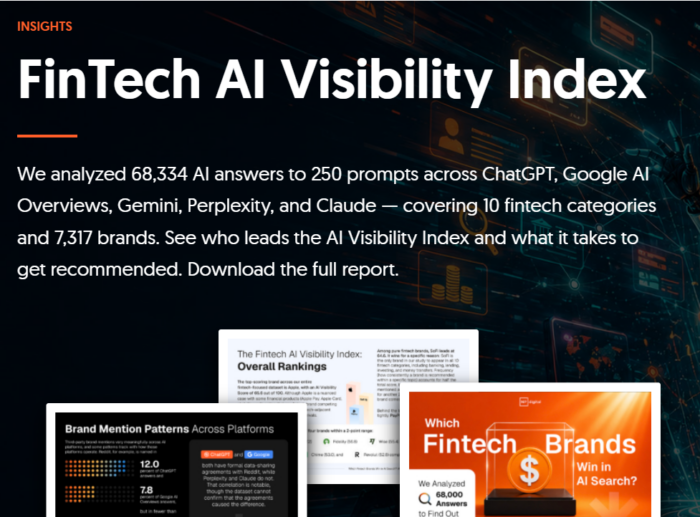
Not every idea needs to become a major campaign. The goal is to consistently identify useful information that journalists and audiences would find valuable.
Build Relationships With Relevant Publications
Distribution alone isn’t enough.
Brands should identify publications and journalists who regularly cover their industry and develop relationships with them over time.
This makes it easier to provide useful expertise when relevant stories emerge rather than approaching media outlets only when the brand has something it wants promoted.
Measure the Cumulative Impact
An always-on strategy should be evaluated differently from a campaign built around one major placement.
Track the growth of relevant coverage over time alongside brand visibility, branded search, referral traffic, and other meaningful indicators.
For AI visibility, also monitor how frequently the brand appears in relevant AI answers where measurement is possible.
The objective is to understand the cumulative effect of sustained authority building.
PR Investment Is Becoming an AI Visibility Investment
The growing importance of AI search is changing the role of PR.
Brands still need traditional media coverage because journalists and publications reach real audiences. But those same sources can also contribute to the information ecosystem that AI systems use to understand brands.
That makes earned media increasingly relevant to search strategy.
The strongest competitive advantage in AI search is consistency, not a single media win. Credibility compounds through ongoing earned coverage that reinforces brand authority over time.
The implication for marketers is significant. PR budgets shouldn’t be viewed only through the lens of immediate media impressions. The long-term value of consistent coverage can extend into brand authority, organic visibility, and AI discovery.
How to Prepare for the Shift in PR Investment
Brands don’t necessarily need to abandon existing PR programs. Instead, they should consider how those programs can support broader search and visibility goals.
Connect PR Goals with Search Goals
PR and SEO teams should identify the topics, entities, and areas of expertise that matter most to the brand.
Those priorities can then inform media outreach and content development.
A company trying to establish authority in a particular category, for example, can build an ongoing PR program around the research, expertise, and commentary that supports that position.
Prioritize Quality and Relevance
More coverage isn’t automatically better.
A mention from an irrelevant or low-quality source may contribute little to a brand’s authority. The strongest opportunities are publications and sources that are relevant to the industry and trusted by the audiences the brand wants to reach.
Make Digital PR an Ongoing Investment
The biggest change may be moving away from one-off PR campaigns.
An always-on digital PR program gives brands more opportunities to build relationships, publish useful information, and earn coverage throughout the year.
That sustained activity can create a stronger foundation for organic visibility as search continues to evolve.
The Future of PR Is Connected to Search
AI is changing how brands are discovered, and PR is becoming part of that discovery process.
Third-party coverage gives AI systems additional information about brands while giving consumers independent sources they can use to evaluate a company. Over time, a consistent stream of relevant coverage can help strengthen the brand’s authority across the web.
This doesn’t mean every PR placement will result in an AI citation. It means brands should recognize that the value of earned media can extend beyond the publication’s immediate audience.
The brands that invest consistently in credible coverage will have more opportunities to establish authority as AI search becomes a larger part of how people find information.
FAQs
Why is AI changing PR budgets?
AI search is increasing the importance of authoritative third-party information. As AI systems use external sources to understand and answer questions about brands, organizations are placing greater emphasis on earned media and digital PR as part of their broader visibility strategies.
How does digital PR help with AI visibility?
Digital PR can generate credible third-party coverage that provides additional information about a brand across the web. This can contribute to the broader information ecosystem AI systems use when understanding brands, although coverage doesn’t guarantee an AI citation.
Is earned media becoming more important for SEO?
Earned media can complement SEO by building authority and visibility beyond a company’s own website. Relevant third-party coverage can strengthen brand recognition and provide additional sources of information for search and AI systems.
What is an always-on digital PR strategy?
An always-on strategy continuously identifies opportunities for relevant media coverage throughout the year instead of relying on occasional campaigns. It can include original research, expert commentary, industry insights, and other newsworthy material.
{
“@context”: ”
“@type”: “FAQPage”,
“mainEntity”: [
{
“@type”: “Question”,
“name”: “Why is AI changing PR budgets?”,
“acceptedAnswer”: {
“@type”: “Answer”,
“text”: “
AI search is increasing the importance of authoritative third-party information. As AI systems use external sources to understand and answer questions about brands, organizations are placing greater emphasis on earned media and digital PR as part of their broader visibility strategies.
”
}
}
, {
“@type”: “Question”,
“name”: “How does digital PR help with AI visibility?”,
“acceptedAnswer”: {
“@type”: “Answer”,
“text”: “
Digital PR can generate credible third-party coverage that provides additional information about a brand across the web. This can contribute to the broader information ecosystem AI systems use when understanding brands, although coverage doesn’t guarantee an AI citation.
”
}
}
, {
“@type”: “Question”,
“name”: “Is earned media becoming more important for SEO?”,
“acceptedAnswer”: {
“@type”: “Answer”,
“text”: “
Earned media can complement SEO by building authority and visibility beyond a company’s own website. Relevant third-party coverage can strengthen brand recognition and provide additional sources of information for search and AI systems.
”
}
}
, {
“@type”: “Question”,
“name”: “What is an always-on digital PR strategy?”,
“acceptedAnswer”: {
“@type”: “Answer”,
“text”: “
An always-on strategy continuously identifies opportunities for relevant media coverage throughout the year instead of relying on occasional campaigns. It can include original research, expert commentary, industry insights, and other newsworthy material.
”
}
}
]
}
Conclusion
AI search is changing how consumers discover and evaluate brands, and that shift is increasing the strategic value of digital PR.
Third-party coverage can give AI systems additional sources of information while helping consumers validate a brand’s expertise and credibility. A single major placement can create valuable exposure, but consistent coverage can build a much stronger information footprint over time.
For marketers, this means PR and SEO should increasingly work toward the same visibility goals. Building an always-on digital PR program can create a steady stream of earned media that supports brand authority while contributing to a broader AI visibility strategy.
The brands that treat PR as an ongoing investment in credibility will be better positioned as AI search continues to reshape how people discover businesses.
If you want to build an always-on digital PR strategy that supports both traditional search and AI visibility, reach out to the NP Digital team to learn how earned media can fit into your broader organic strategy.








Leave a Reply